For those adhering to a vegan or plant-based lifestyle, the craving for cheese doesn't have to be a distant memory. Thanks to advancements in food technology, human creativity, and the growing popularity of veganism, cheese alternatives made from nuts, nutritional yeast, and vegetable oils are now readily available. Let's delve into the world of vegan cheese, exploring what it is, how it's made, and whether it can be a healthy choice.
Understanding Vegan Cheese: A Dairy-Free Alternative
Vegan cheese is a 100% animal-product-free option, crafted from plant-based proteins. Common ingredients include soy, nuts like cashews and macadamias, and vegetable oils such as coconut oil. Some vegan cheeses also incorporate agar, tapioca, peas, and arrowroot. However, the ingredient lists can sometimes include added starches and thickeners like carrageenan and xanthan gum, which might be a concern for those seeking minimally processed, clean-eating options.
The Art of Crafting Vegan Cheese
Initially, the primary objective for vegan cheesemakers was to replicate the appearance of traditional cheese. However, they soon realized that achieving a similar taste and texture was equally important, especially for applications like melting on toast. The process of making vegan cheese shares some steps with traditional cheesemaking, but without the use of animal milk. Plant proteins are separated with the help of bacteria, and then oils and thickeners are added to achieve the desired consistency. Patience is key, as the vegetable proteins and bacteria need time to break down further. Unlike dairy cheeses, vegan cheeses' proteins do not naturally bond, resulting in less complex flavors.
Does Vegan Cheese Live Up to the Taste Test?
The most noticeable difference with vegan cheese is its melting behavior. It may not provide the same gooey texture as dairy cheese when used on pizza. However, since each brand is unique, it's worth trying different options if one doesn't meet your expectations. Vegan cheesemakers are continually developing new techniques to enhance the taste and texture, making them more similar to traditional cheeses.
Is Vegan Cheese a Healthy Option?
Contrary to popular belief, regular cheese may have health benefits, with research suggesting it can reduce the risk of diabetes and heart disease. Vegan cheeses typically have lower levels of fat, protein, and calcium compared to dairy cheese and are often gluten-free. As a processed food, vegan cheese tends to be higher in sodium, so it's essential to check the labels. Vegan cheese shouldn't be relied upon as a primary protein source, unlike dairy cheese for vegetarians. While not a superfood like kale or lentils, vegan cheese can still satisfy cravings for pizza, grilled cheese, and queso dip.
Discovering the Best Vegan Cheese Brands
To find the best vegan cheeses available, we consulted vegan cookbook author Dreena Burton of Plant Powered Kitchen and The Colorful Kitchen blogger Ilene Godofsky Moreno for their recommendations.
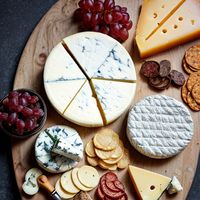
For a fun and flavorful experience, consider hosting an at-home vegan cheese tasting. Sample a variety of artisanal cheeses, which often boast distinct flavors and textures that can rival dairy cheeses. As Burton suggests, "Artisanal cheeses are the best representation of plant-based cheese because the flavors generally taste very real and fresh, and their textures rival any dairy cheeses."
By Jessica Lee/Dec 21, 2024
.png)
By Emily Johnson/Dec 21, 2024
By John Smith/Dec 21, 2024
By David Anderson/Dec 21, 2024
By Eric Ward/Dec 21, 2024

By James Moore/Dec 21, 2024
By Jessica Lee/Dec 21, 2024

By Grace Cox/Dec 21, 2024
By Sophia Lewis/Dec 21, 2024
By Daniel Scott/Dec 21, 2024
By Lily Simpson/Dec 21, 2024
By Noah Bell/Dec 21, 2024
By Daniel Scott/Dec 21, 2024
By William Miller/Dec 21, 2024
By Amanda Phillips/Dec 21, 2024
By Christopher Harris/Dec 21, 2024
By Laura Wilson/Dec 20, 2024
By Rebecca Stewart/Dec 20, 2024
By Jessica Lee/Dec 20, 2024
By Olivia Reed/Dec 20, 2024