Fiber is an essential component of a child's diet, particularly when it comes to maintaining regular bowel movements and overall digestive health. It's not just about ensuring smooth digestion; fiber also helps children feel full after meals, preventing the need for constant snacking. Moreover, a diet rich in fiber can contribute to maintaining healthy cholesterol levels and promoting a balanced gut microbiome. Fiber-rich foods are often packed with vitamins, minerals, and beneficial compounds like antioxidants. Unfortunately, many people, including children, do not consume enough fiber, often due to a lack of fruits, vegetables, and whole grains in their diets.
Determining the appropriate fiber intake for children depends on their age. For instance, children aged 1 to 3 years require 14 to 19 grams of fiber daily, while teenage girls and boys need up to 25 and 31 grams, respectively. A simple guideline is to add 10 to the child's age to estimate their daily fiber needs. For example, a 6-year-old should aim for approximately 16 grams of fiber per day. Another approach is to encourage children to consume five servings of fruits and vegetables daily, which is likely to meet their fiber requirements.
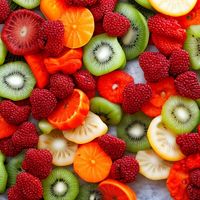
Jenna Helwig, a former food director for Parents magazine and author of several cookbooks, including "Baby-Led Feeding," suggests that "you don't need to break out the bran cereal or prunes" to increase a child's fiber intake. Fruits are often the key, as they are popular and less likely to be rejected by children compared to whole grains and vegetables. In addition to prunes, other high-fiber fruit options include raspberries, pears, pomegranate seeds, and avocados.
Here is a curated list of high-fiber foods that are also appealing to children, with a focus on fruits to diversify from the typical apple-pear-banana options:
While a high-fiber diet is beneficial, consuming too much fiber can lead to gastrointestinal discomfort, such as bloating or gas. If your child is not used to a high-fiber diet, it's important to increase fiber intake gradually and ensure they are well-hydrated. Water and milk can help meet fluid needs, so encourage your child to drink plenty of fluids throughout the day.
This list of high-fiber foods can help improve the nutritional quality of your child's diet and may also alleviate or prevent constipation. Parents can also benefit from increasing their fiber intake by consuming more fruits, vegetables, and whole grains.

By Jessica Lee/Dec 21, 2024
.png)
By Emily Johnson/Dec 21, 2024

By John Smith/Dec 21, 2024
By David Anderson/Dec 21, 2024
By Eric Ward/Dec 21, 2024

By James Moore/Dec 21, 2024
By Jessica Lee/Dec 21, 2024

By Grace Cox/Dec 21, 2024

By Sophia Lewis/Dec 21, 2024
By Daniel Scott/Dec 21, 2024
By Lily Simpson/Dec 21, 2024
By Noah Bell/Dec 21, 2024
By Daniel Scott/Dec 21, 2024
By William Miller/Dec 21, 2024
By Amanda Phillips/Dec 21, 2024
By Christopher Harris/Dec 21, 2024

By Laura Wilson/Dec 20, 2024
By Rebecca Stewart/Dec 20, 2024

By Jessica Lee/Dec 20, 2024
By Olivia Reed/Dec 20, 2024