Feeding children can be a challenging task, especially when it comes to ensuring they consume a balanced diet. Parents often find themselves stressed about preparing meals that are both nutritious and appealing to their little ones. The good news is that with a few expert tips and a list of top healthy foods for kids, you can simplify meal planning and ensure your child gets the nutrients they need. Here's a guide to help you navigate the world of children's nutrition, complete with a compilation of the top 10 wholesome foods that are not only beneficial for your kids but also versatile and easy to prepare.
Top 10 Healthy Foods for Kids
- Yogurt Yogurt is a fantastic option for breakfast, a snack, or even dessert, but it's essential to be mindful of the added sugar content, according to Katie Andrews, M.S., RD, a childhood nutrition coach. It's a nutritious and satisfying snack that provides protein and vitamin D, a nutrient often lacking in children's diets. Not all yogurts contain vitamin D, so check the label. Yogurt also contains probiotics, beneficial bacteria that support gut health. Opt for plain Greek yogurt, which has no added sugars and offers twice the protein of regular yogurt. Most flavored yogurts contain added sugar, but there are fruit-flavored options that might be a safer bet. You can easily enhance the flavor by adding berries or topping with whole-grain cereal, or create a parfait with fruit for a fun twist. For a cool treat, consider making frozen yogurt pops or bark.
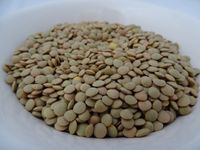
- Beans Beans are a nutritional powerhouse, packed with protein and fiber, and they're also cost-effective and quick to prepare. Choose low-sodium canned varieties such as black beans, chickpeas, or kidney beans. Simply drain and rinse to remove excess sodium before adding them to your recipes. Beans can replace ground beef in dishes like quesadillas or be tossed with pasta for a lean protein boost with added fiber. Fiber is crucial for kids aged 4 to 8, who need around 25 grams per day, and it helps with digestion and satiety, preventing post-meal snack cravings.
- Eggs One large egg contains 6 grams of protein and is a source of vitamin D, vitamin B12, and iron. Some eggs are enriched with omega-3 fatty acids, which are beneficial for brain development. Eggs are a cholesterol concern, but saturated and trans fats have a more significant impact on raising bad cholesterol levels. Opt for eggs over pastries, fried foods, and processed meats at breakfast. If your kids aren't fans of scrambled eggs, try different presentations like egg salad or casseroles. Eggs are also a great first food for babies, with current recommendations suggesting they can be introduced when babies are ready for solid foods, potentially even preventing food allergies.
- Avocado Avocados are brimming with health benefits and are an excellent way to incorporate healthy fats into your child's diet. They are rich in monounsaturated fats, which reduce inflammation and maintain healthy cholesterol levels. The fat content also helps kids feel full for longer. Avocados' versatility makes them a staple in many dishes. You can enjoy them plain, mashed on toast, blended into smoothies, or used in salads and pasta sauces.
- Sweet Potatoes For a quick and nutritious option, consider sweet potatoes. They're easy to prepare and appeal to children of all ages due to their natural sweetness. Sweet potatoes are rich in beta carotene, which the body converts into vitamin A, as well as fiber and potassium, which support heart health and blood pressure regulation.
- Milk Milk is a bone-strengthening beverage, rich in calcium and vitamin D. An 8-ounce glass of whole cow's milk also contains phosphorus, vitamin B12, and potassium, along with 8 grams of protein. Cow's milk and alternatives should not be given to babies until they are a year old. Offer whole milk until age 2, but limit it to 16 ounces per day to avoid filling them up too much. If your child dislikes cow's milk, explore alternative milk options, ensuring they are unsweetened or plain for the best nutritional value. Each alternative milk has a unique nutritional profile, so choose those fortified with calcium and vitamin D for the same benefits as dairy milk.
- Nuts and Seeds Swap low-fiber, airy snacks for nuts and seeds to provide a healthy combination of fiber, protein, and healthy fats. Offer a variety, including cashews, walnuts, almonds, pecans, sunflower seeds, chia seeds, and more. Nuts are high in magnesium, which is essential for bone development and energy production. Walnuts, pecans, chia seeds, and flaxseeds are particularly rich in alpha-linolenic (ALA) acid, an omega-3 fat that the body cannot produce on its own. Enjoy nuts alone or with dried fruit, or incorporate them into smoothies, toast toppings, or homemade granola bars.
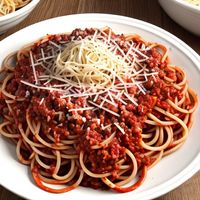
- Whole Grains Whole grains are an excellent source of fiber, a nutrient often lacking in children's diets. Fiber helps with satiety and regularity, offering numerous health benefits. Aim for at least 3-5 grams of fiber per serving and look for 100% whole wheat or whole grain in the ingredients list. High-fiber whole-grain options for kids include oatmeal, whole-wheat pasta, brown rice, whole-wheat tortillas, and whole-wheat bread. If your kids don't like whole-wheat pasta, consider a mix of half-whole-wheat and half-white, or use whole-wheat flour in baking.
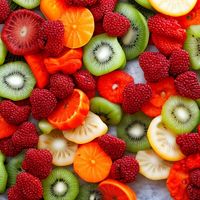
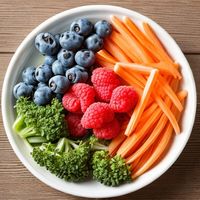
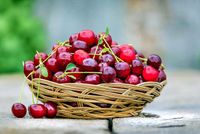
- Berries Berries are not only high in fiber and vitamin C but also rich in antioxidants like anthocyanins. They are lower in sugar compared to many other fruits, making them an excellent snack option or topping for yogurt. When fresh berries are out of season, opt for unsweetened frozen berries to add to oats or smoothies.
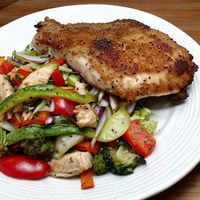
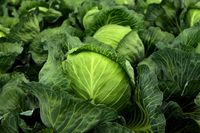
- Vegetables Vegetables are a crucial part of any diet, and getting your child to consume a variety is even better. Each color of vegetable offers different nutrients: leafy greens are high in vitamin K, orange and red vegetables are rich in vitamin A, peppers are packed with vitamin C, and cruciferous vegetables like broccoli, cabbage, and cauliflower contain cancer-fighting compounds and support gut health. Make vegetables approachable and accessible by washing and cutting them for easy snacking. Growing your own vegetables can also increase your child's willingness to try them. Introduce new vegetables alongside familiar ones and vary the preparation methods to encourage consumption.
Tips for Encouraging Healthy Eating
Here are some strategies to help your kids embrace these healthy foods:
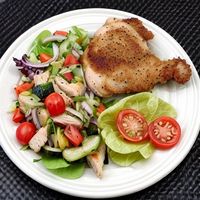
- Use the MyPlate model as a guide, ensuring half of the plate is filled with fruits and vegetables, a quarter with whole grains, and a quarter with protein sources.
- Offer a variety of foods, remembering that it's your job to provide options and your child's job to decide what to eat.
- Involve your children in the cooking process, as studies show that kids are more likely to eat what they help prepare.
- Serve food family-style, allowing kids to choose what and how much they want to eat from the table.
- Be a role model for healthy eating, as children often mimic their parents' eating habits.
- Remove pressure from mealtimes, as forcing children to eat certain foods can lead to a lifelong aversion.
- Be consistent and patient, understanding that it may take multiple exposures to a food before a child is willing to try it.
- Avoid negative language about food at the dinner table, as it can influence a child's perception of the food's worthiness.
- Introduce new foods alongside familiar ones to make the experience less intimidating.
- Seek professional help if needed, as registered dietitians, pediatric psychologists, and feeding specialists can provide additional support.
By incorporating these tips and focusing on the top healthy foods for kids, you can create a nourishing and enjoyable mealtime experience for your family.
.png)